
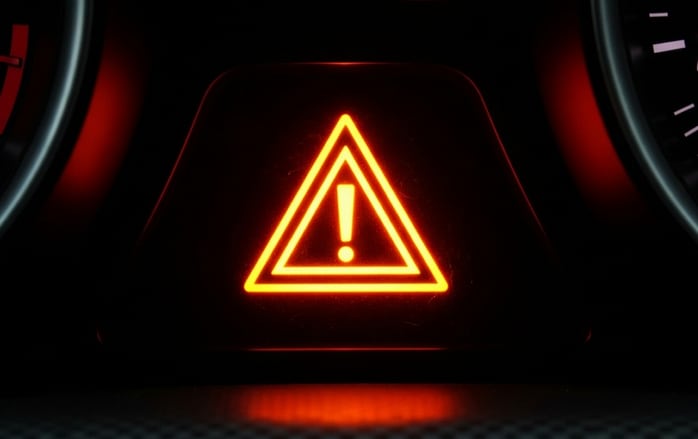
TL;DR
- The triangle with exclamation point in Hyundai cars is a Master Warning Light signaling that your vehicle needs professional attention.
- Yellow icons mean minor issues but red ones indicate urgent safety risks that need immediate Hyundai repair at our facility.
- Get your car professionally serviced in New York at Koeppel Hyundai service center where we have expert technicians and OEM parts and accessories.
-----
Also Read: Hyundai Transmission Fluid - Important Details New York Drivers Need to Know Now!
Driving through the crowded streets of Queens or navigating the busy highways of Long Island City requires your full attention. Your vehicle serves as your primary tool for managing the daily hustle of New York life. When a mysterious light appears on your dashboard, it can cause immediate stress. You might notice a specific icon that looks like a triangle with exclamation point in Hyundai models. This symbol is known as the Master Warning Light. It is a general notification that your car is communicating a need for attention regarding one or more of its advanced systems. Understanding this light is the first step toward ensuring your vehicle remains in top condition for your commutes across the Five Boroughs.
Defining the Master Warning Light
The Master Warning Light is a multifaceted indicator. It does not point to one specific part like a gas pump icon points to fuel levels. Instead, it suggests that there is an underlying issue within the electronic or safety systems of the car. When this light illuminates, your vehicle usually provides more context through the LCD display located in your instrument cluster. You should check that screen to see if a specific message describes the fault. The goal of this light is to keep you informed before a minor glitch turns into a significant problem that could require extensive Hyundai repair.
Color Codes and Their Meanings
The color of the triangle with exclamation point in Hyundai vehicles tells you a lot about the urgency of the situation. Most commonly, you will see a yellow or orange version of this light. A yellow warning generally indicates a non-critical issue. This means you can likely continue driving to your destination, but you should schedule an inspection soon. It represents a situation that needs attention but is not an immediate threat to the operation of the engine.
On the other hand, a red master warning light is a much more serious signal. Red lights usually pertain to safety related issues or urgent problems with the condition of the engine. If you see a red version of this symbol, you should pull over to a safe location as soon as possible. Driving with a red warning light can lead to dangerous situations or expensive damage to your vehicle. In these cases, contacting a Hyundai service center for a tow or emergency advice is the safest course of action.
Common Reasons for the Light to Appear
Many different factors can trigger the Master Warning Light. Because modern vehicles are so technologically advanced, the light covers a wide range of subsystems.
One frequent cause is an issue with the Tire Pressure Monitoring System. If one or more of your tires are significantly underinflated, the master warning may appear alongside the tire pressure icon to ensure you notice the problem. This is particularly common in New York during seasonal temperature shifts when air pressure in tires naturally fluctuates.
Another common trigger involves your exterior lighting. If a headlight bulb, a taillight, or an LED component fails, the master warning light will let you know. Maintaining your lights is vital for safety when driving through poorly lit streets or during heavy rain and snow in the city.
The light also monitors fluid levels. For example, low washer fluid can trigger the master warning icon. While this is a simple fix, the car wants to ensure you have maximum visibility at all times. More critical fluid issues, such as low engine oil pressure or low brake fluid, might also cause this light to appear in conjunction with other specific icons.
Advanced Safety System Alerts
Your Hyundai is equipped with sophisticated safety features that rely on sensors and radar. If these sensors become blocked or experience a malfunction, the triangle with exclamation point in Hyundai dashboards will illuminate. Common systems that use this light include:
- Forward Collision Avoidance Assist
- Blind Spot Collision Avoidance Assist
- Rear Cross Traffic Collision Avoidance Assist
- Smart Cruise Control
- Lane Following Assist
In a city like New York, sensors can easily become blocked by grime, snow, or even a plastic bag stuck to the front of the car. If the issue is simply a blocked sensor, cleaning the exterior of the vehicle might resolve the warning. However, if the light remains on after cleaning, it indicates a malfunction that needs professional diagnosis.
Why Professional Inspection at Koeppel Hyundai Matters
When your dashboard is trying to tell you something, ignoring it can lead to safety risks. The Master Warning Light often acts as a precursor to more severe warnings. For instance, problems with the Anti-lock Braking System or the Electronic Stability Control might start with a general warning before the specific system shuts down.
A professional Hyundai repair involves using diagnostic tools to read the specific error codes stored in your car's computer. This takes the guesswork out of the process. At Koeppel Hyundai, our technicians are factory-trained experts who understand the intricate wiring and software of your specific model. They use modern equipment to ensure that every sensor and module is functioning according to factory standards.
We only use Genuine OEM parts for every Hyundai repair. Using original equipment manufacturer parts ensures a perfect fit and long-lasting performance. This is especially important for the safety systems that trigger the master warning light. Third party parts may not communicate correctly with your vehicle's computer, which could cause the warning light to stay on even after a repair.
Bottomline
If the triangle with exclamation point in Hyundai cluster is currently glowing, do not wait for it to disappear on its own. While it might be a simple fix like a loose gas cap or low washer fluid, it could also be a warning about your braking system or engine health. Bring your car to Koeppel Hyundai for expert car care and repair.
Looking for a new ride? See our latest Hyundai offerings as well as our reliable used inventory!


