

TL;DR
- Tire cracking results from natural rubber degradation caused exposure to UV rays, heat, and road chemicals. Keeping tires properly inflated reduces strain and helps maintain rubber flexibility.
- Cracks compromise tire safety and cannot be fixed. Tread cracks are an urgent concern, indicating underlying rot that could potentially cause a complete blowout.
- Prevent cracking through regular driving, proper inflation, and shielding tires from sun and water. Address any visible tire cracking promptly at Koeppel Hyundai service center serving New York drivers.
-----
Also Read: Vibration in Steering Wheel - Repair Tips for New York Drivers by Koeppel Hyundai
As a Hyundai driver navigating the busy streets of Long Island City, Brooklyn, or Manhattan, you know your vehicle is subject to intense conditions. From abrasive road chemicals to temperature extremes, New York roads present unique challenges to vehicle maintenance. One critical issue you must always monitor is tire cracking. These hairline fractures in the rubber surface are a significant sign of aging and degradation, indicating that your tires are on their way out. Understanding why cracks form and how to address them quickly is essential for maintaining safety and optimal performance for your Hyundai.
Why Tire Cracking Occurs
Tire cracking is often referred to as weather checking, ozone cracking, or weather cracking. The formation of these cracks is nearly inevitable because the rubber in your tires begins to break down over time. This degradation is natural, especially when you consider the constant battering your tires endure from uneven road conditions, chemicals, oils, and wet weather.
The fundamental cause of cracking is the loss of rubber flexibility. Over time, various elements reduce the rubber tires’ flexibility, resulting in cracking. This degradation occurs because the polymer bonds in the rubber degrade, creating visible fractures along the surface.
Several specific factors accelerate this process, particularly important for those driving in the New York area:
Age and Natural Breakdown - The rubber in your tires naturally degrades over time, making the tires brittle, hard, and more susceptible to cracking. Even if you drive infrequently, this degradation still happens. For this reason, taking your vehicle out for a spin frequently helps to keep the tires flexible and aids in the release of chemicals that prevent the tires from drying out.
Environmental Exposure - UV Rays and Water UV radiation from the sun is a primary culprit, as it causes a chemical reaction that oxidizes or breaks down the rubber compounds, making them less flexible. Also, temperature fluctuations cause the rubber polymers to expand in the heat and contract in the cold. This repetitive cycle weakens the rubber over time, leading to cracks.
New York drivers must also be vigilant about water exposure. Although tires are largely waterproof, if water penetrates the rubber seal, it can break down the rubber molecules and reduce flexibility. This is accelerated by the freeze-thaw cycle common during winter and early spring, where water expands and contracts the rubber molecules, making them more vulnerable to cracking.
Inflation Issues - Improper inflation puts undue stress on the tire structure. If your tires are not inflated enough, the sides of the tire flex more and connect with the road, generating heat and friction that causes cracking. Conversely, if your tires are over-inflated, the increased pressure on the walls reduces the rubber’s ability to flex and respond to road conditions. This stretching and overheating makes the rubber brittle and prone to cracking. You should always ensure your tires are properly inflated to reduce strain placed on the rubber.
Manufacturing Faults - In newer tires, cracking may sometimes indicate a manufacturing fault. If you notice cracking soon after purchasing a new set, you must have them inspected immediately.
Determining the Severity of Tire Cracking
Just spotting cracks does not mean you must stop driving immediately; however, you should treat the issue seriously and evaluate the severity. The process of degradation tends to progress quickly once cracks begin to form.
Sidewall Cracks versus Tread Cracks The severity depends heavily on where the damage appears.
• Sidewall Cracks: Tire sidewalls are more susceptible to cracking than the treads. Superficial sidewall cracks do not usually pose an immediate threat. Minor cracks that are barely visible are not typically an imminent safety concern. However, as the cracks deepen, lengthen, or grow in number, you need to seriously consider replacing your tires. If left unaddressed, this cracking can wear down the tire quickly and lead to a sidewall blowout.
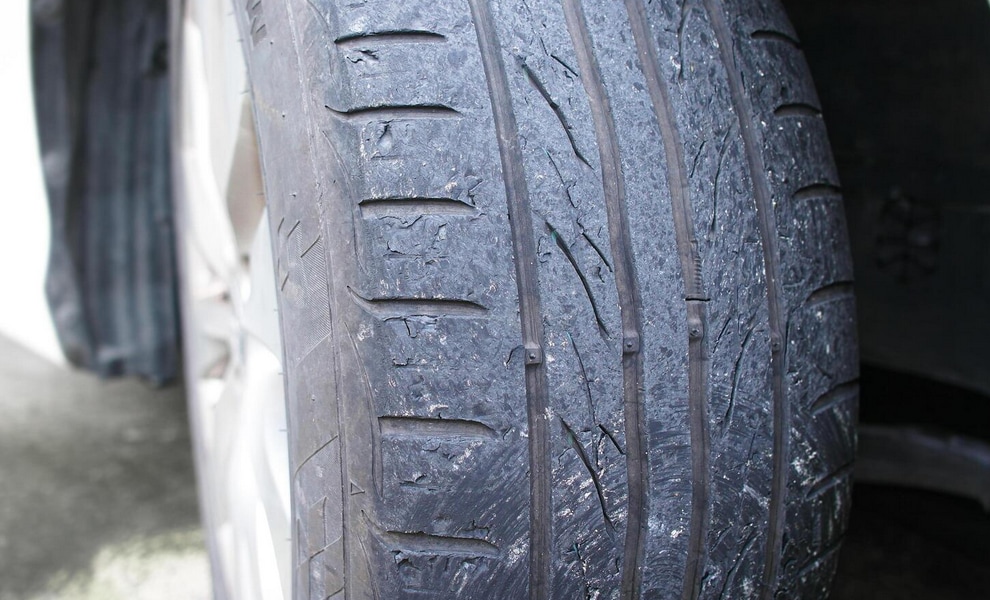
• Tread Cracks: Cracks in the tire tread are a potentially urgent concern. If you see cracking between the treads, this likely indicates dry rot underneath, which can cause the tread to blow off the wheel entirely. Damage to the treads is more serious than sidewall cracking because it makes the tire more likely to pull away from the wheel completely, posing a severe safety hazard and potentially causing you to lose control of the vehicle. Cracks in the thick tread area often signal an underlying structural issue that jeopardizes safety.
If you see visible cracking on the treaded part of the tire, or if sidewall cracks deepen significantly, you must have your tires inspected promptly. Cracks compromise the structural integrity of your tire, which could lead to deflation or blowouts at worst.
Preventing Tire Cracking
A far more effective strategy than repairing cracked tires is taking proactive steps to preserve their longevity and prevent cracking from occurring in the first place. The key is maintaining the rubber’s flexibility and shielding your tires from deteriorating elements. This is especially crucial for New York drivers dealing with fluctuating temperatures and road salt.
You should take the following protective measures:
- Shield Your Vehicle from Elements: Whenever possible, store your Hyundai in a garage, away from direct sunlight and rain. Use tire covers to protect your tires from UV rays if garage storage is not available.
- Avoid Standing Water: Do not allow your tires to sit motionless in standing water, as this accelerates degradation.
- Clean Your Tires Regularly: After driving in snow, mud, or on heavily salted roads in the winter, be sure to clean the rock salt and chemicals off your tires. This prevents the build-up of dirt, oil, or fungus that breaks down rubber compounds.
- Maintain Proper Inflation: Keep your tires properly inflated according to the manufacturer’s specifications. This reduces stress and heat build-up.
- Keep the Tires Moving: Do not let your vehicle sit stationary for too long, as a motionless tire can crack faster. If you store your vehicle for an extended period, take it out for a short spin every few days to keep the rubber flexible and allow the chemicals inside the tire to release.
- Rotate Your Tires: Rotate your front and rear tires regularly to evenly distribute wear and tear.
Remember, even with meticulous care, your tires will eventually expire due to the inevitable degradation of the rubber. Most manufacturers recommend replacing tires around five to seven years after the production date listed on the sidewall.
The Irreversible Nature of Tire Cracking
Once you notice tire cracking, you must understand that this defect represents a permanent and irreversible breakdown of the rubber components. No amount of repair can restore the item to its original strength once it has sustained structural damage.
While some market options include tire-repair seals, these tend only to mask the problem without truly correcting the underlying issue. Repairs are neither safe nor cost-effective for cracked tires. If cracking is present, especially in the treads, ignoring the issue could lead to a dangerous mishap, including a blow tire that causes loss of control. You must err on the side of caution.
Partner with Your Koeppel Hyundai Service Center
If you observe tire cracking on your Hyundai, the recommended first course of action is to have your tires professionally checked out. Instead of driving around Long Island City or Queens worrying about your safety, you should utilize our professional service department.
Your best option for addressing compromised structural integrity is replacement, handled expertly at your Koeppel Hyundai location. When you visit us, professional technicians can look over the cracks to determine how much longer the tires have and if replacement is immediately necessary.
At Koeppel Hyundai, we are committed to meeting and exceeding your standards for vehicle maintenance. We provide comprehensive maintenance services designed to keep your Hyundai model in optimal form. Our parts center also supplies the necessary OEM items for replacement equipment your SUV or car needs.
Read Next: Bad Starter Motor Symptoms Queens, NY Drivers Should Watch Out For
Categories:
New Inventory


