
TL;DR
- Coolant is vital for temperature control, preventing overheating and freezing in extreme New York weather. Low levels risk serious, costly engine damage including head gasket failure or internal corrosion.
- Watch for signs of low coolant like the temperature gauge nearing red, a sweet odor from leaks, poor fuel economy, or interior heater malfunctions. Immediate action is essential.
- If low coolant is suspected, visit Koeppel Hyundai in Long Island City. Our Hyundai service center ensures proper fluid top-offs using compatible Hyundai coolant and crucial engine maintenance.
-----
Also Read: From Toy Drives to Life-Saving Research - How Koeppel Hyundai's Community Program Makes a Difference
Coolant, sometimes called antifreeze, is the single most important fluid underneath the bonnet of your vehicle. It plays a vital role in maintaining the engine temperature and preventing dangerous overheating. Low coolant is one of the most common causes behind engine overheating or sudden vehicle breakdowns. If the level of this fluid drops below adequate levels, your vehicle can show clear signs of low coolant that should never be ignored. Understanding these warnings and knowing when to visit your local Hyundai service center is essential for maintaining the performance and longevity of your vehicle in New York’s diverse driving conditions.
The Critical Functions of Coolant
Coolant circulates throughout the engine and radiator, absorbing excess heat generated during operation. This circulation maintains the correct working temperature of various engine components. Without enough coolant, your car engine can overheat quickly.
The importance of Hyundai coolant goes beyond simply cooling the engine in hot weather. Coolant also ensures that your engine does not freeze up if you are driving in sub-zero temperatures. Because New York drivers experience a full range of seasonal extremes, from hot summers in Long Island City to freezing winter conditions across the tri-state area, this dual protection is crucial.
In addition to temperature regulation, engine coolant ensures smooth driving performance. It protects against corrosion inside the engine and lubricates engine parts. If your engine is low on coolant, it becomes more prone to overheating when driving in hot weather. Conversely, it is more likely to freeze up when temperatures plummet. Driving a car that has low coolant levels is generally a bad idea.
Recognizing the Signs of Low Coolant
It is usually quite easy to tell if your car is low on engine coolant. Recognizing the signs of low coolant immediately can prevent serious, costly engine damage.
1. Rising Temperature Gauge and Overheating
The most immediate indicator that your engine is struggling to cool is the temperature gauge on your dashboard. If the coolant level is low, this gauge will begin moving towards the red zone. This signal is the earliest indicator that the engine is not cooling properly.
If the temperature gauge gets close to the red, you must pull over and take action. If you continue driving when the engine is running too hot, you risk damaging vital components. In severe cases of insufficient cooling, you may even notice steam coming from under the bonnet while driving, especially when moving slowly in traffic or in hot weather. This billowing steam is a clear symptom that the cooling system has failed.
2. A Sweet Smell Indicating Leaks
Coolant or antifreeze has a distinct, sweet odor. The fluid contains glycol, which gives off this sweet smell when it leaks. If you smell this in the cabin while driving or when the engine is hot, it could indicate that engine coolant is leaking out of the system.
If you clearly smell the engine coolant leaking, you should take immediate action. Also, after you park your Hyundai, you might notice colored liquid underneath the car, which could be green, red, or orange. Visible coolant on the ground is a clear sign of leakage that leads to low fluid levels.
3. Issues with Interior Heating
Your vehicle's heating system utilizes the residual heat collected from the engine by the cooling system. Therefore, if the cooling system has a fault or low levels, the interior heating system may malfunction. You may experience issues with your vehicle’s heater, such as the heater constantly blowing hot air into the vehicle regardless of the setting. Conversely, if your heater suddenly starts blowing cold air, it could also be a symptom of low coolant levels. Either way, a fault with the climate control system can signal a much larger problem beneath the bonnet.
4. Loss of Acceleration and Poor Fuel Economy
Signs of low coolant are not limited to temperature and smells; they also manifest in vehicle performance. When the engine is operating without adequate coolant, it does not function properly.
Poor fuel economy is a clear sign that the engine is struggling. As the engine temperature changes due to low coolant, fuel cannot burn efficiently. If you notice a dip in your recorded miles per gallon, or if your vehicle is consuming fuel faster than normal, it could be a sign that your Hyundai coolant level is low. Additionally, if you notice that your vehicle is losing acceleration, this could also be a sign of low engine coolant. With low coolant levels, the engine burns fuel faster while simultaneously losing acceleration.
5. Dashboard Coolant Warning Light
Modern cars are equipped with sensors designed to detect fluid levels. The engine coolant light normally appears as a red thermometer symbol with a series of wavy lines next to it. If this low coolant warning light appears on your dashboard, it indicates that the engine has reached its temperature limit or that the fluid level is critically low. You should stop and check the system immediately
Understanding Coolant Loss
If you notice that the coolant level in your car is decreasing, there are two main reasons. The first main cause is a leak in your car's cooling system. Leaks are the most likely cause when levels drop unexpectedly. Symptoms like a sweet odor or an increasing temperature gauge are often connected to a leak.
The second main cause of low coolant is neglecting to top off your car's coolant properly. Your car's coolant levels could be low simply because insufficient coolant is going into the reservoir.
It is important to note that some loss of coolant is considered normal. This acceptable loss is generally caused by minor evaporation from the system due to prolonged exposure to extreme temperatures. On average, the coolant level may drop approximately 0.25% every four months in normal conditions without any faults. However, if the level drops significantly, it indicates a fault or a serious leak.
Taking Action
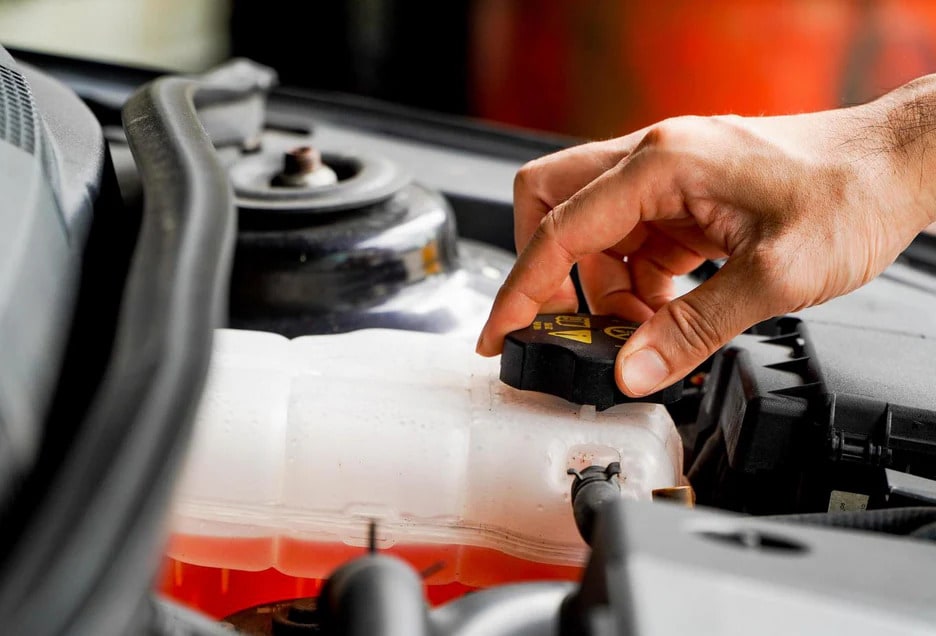
If you notice any of these signs of low coolant while driving, safely pull over and switch off the engine. Allow the engine to cool for at least 15 to 20 minutes before attempting to check the coolant levels in the reservoir.
The best solution is professional service. Committing to a consistent service routine ensures that your Hyundai car can continue to run at its best around Long Island City and the surrounding areas. When you need assistance with your vehicle’s cooling system or proper fluid top-offs, you should get your car’s coolant topped off properly to ensure your engine does not become damaged.
Koeppel Hyundai service center is prepared to handle all your automotive care needs. Our mechanics provide consistent and high-skilled service to keep your Hyundai model in optimal form. We also supply genuine OEM parts needed by your car for replacements and equipment. Get in touch with us today and see how we can help you.


